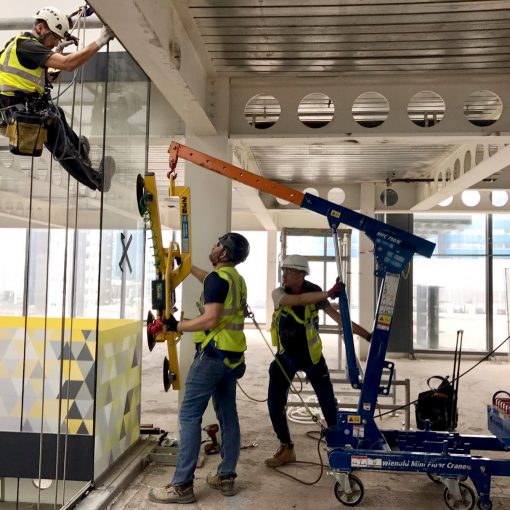
Ensuring the safety of workers at height is paramount, and understanding the proper installation, testing, and periodic examination of work restraint and fall arrest systems is crucial. These systems are designed to protect individuals from potential falls and provide peace of mind in hazardous environments. As regulations and safety standards evolve, staying informed about the latest practices is essential for both employers and employees. In this guide, we’ll delve into the key aspects of these safety systems, offering practical advice on their installation and maintenance to ensure they function effectively. Join us as we explore the vital steps needed to keep your workplace secure and compliant.
Understanding Work Restraint & Fall Arrest Systems
Understanding the fundamentals of work restraint and fall arrest systems is vital for any environment where working at height is necessary. These systems have distinct purposes and components, and knowing these differences can enhance workplace safety and compliance. Let’s start with the basics and explore their components and key differences.
Basics of Work Restraint Systems
Work restraint systems are designed to prevent a worker from reaching a fall hazard, essentially acting as a boundary. These systems use harnesses and lanyards to ensure that workers remain within a safe working area.
The primary goal of a work restraint system is prevention rather than arrest. It ensures that workers cannot physically reach the edge where a fall could occur. This approach is ideal in environments where fall risks can be clearly defined and controlled.
For example, when working on a flat roof, a work restraint system could limit a worker’s movement to a safe distance from the edge. This simplicity makes it a popular choice in many industries.
Fall Arrest System Components
Fall arrest systems are more complex. They are designed to stop a fall that’s in progress, reducing the risk of injury. These systems typically include components such as harnesses, lanyards, anchors, and energy absorbers.
Each component has a specific role. The harness distributes the arrest forces over the body. The lanyard connects the harness to the anchor point, while energy absorbers reduce the force of the fall.
Consider the following scenario: A worker on a construction site must move around a structure. A fall arrest system would allow movement while providing a safety net if a fall occurs. Proper selection and use are critical to effectiveness and safety.
Key Differences and Uses
Understanding the differences between work restraint and fall arrest systems helps in selecting the appropriate solution for a given task. Here is a comparison table:
| Feature | Work Restraint | Fall Arrest |
|---|---|---|
| Purpose | Prevent reaching a hazard | Stop a fall in progress |
| Components | Harness, lanyard | Harness, lanyard, anchor, absorber |
| Ideal for | Controlled environments | Dynamic environments |
| Complexity | Simpler | More complex |
Selecting the right system depends on the environment and task at hand. In scenarios where fall prevention is sufficient, work restraint is usually preferred. When dynamic movement is required, fall arrest is necessary.
Installation of Work Restraint & Fall Arrest Systems
Proper installation is essential to the effectiveness of both work restraint and fall arrest systems. Missteps during installation can lead to system failure, making it crucial to follow guidelines and standards. This section will guide you through the necessary steps for a successful setup.
Pre-Installation Considerations
Before installing a work restraint or fall arrest system, certain considerations must be addressed. Evaluating the site for potential hazards and ensuring compatibility with the system is crucial.
Site suitability is key. The surfaces where anchors will be fixed must be capable of withstanding the forces generated by a fall. Consider the type of work being done and how the system will be used.
Assess environmental factors such as weather conditions and potential obstructions. Consulting with a safety professional can provide additional insights and recommendations, ensuring that all aspects are considered before proceeding.
Step-by-Step Installation Guide
Follow these steps for installation:
- Assess the work area: Identify potential fall hazards and plan anchor point locations.
- Choose appropriate equipment: Ensure compatibility and capacity with selected anchors and harnesses.
- Install anchor points: Securely attach anchors to a stable surface following manufacturer guidelines.
- Attach the system: Connect lanyards and harnesses, ensuring all components are secure.
- Conduct a thorough check: Inspect the entire system to ensure all elements are correctly installed.
Throughout the process, maintaining attention to detail is vital. Installation errors can compromise safety, so double-check each step. If in doubt, consult manufacturer guidelines or seek professional assistance.
Ensuring Compliance with Standards
Adhering to regulatory standards ensures safety and legal compliance. Standards such as BS EN 361 for harnesses, and BS EN 795 for anchor devices, provide guidelines for installation and use.
Compliance involves regular updates and training. Staying current with changes in standards and regulations is crucial. It also involves ensuring that all equipment is certified and compatible with the tasks at hand.
Regular inspections are part of maintaining compliance. These checks ensure that systems continue to meet standards and adjust as necessary for evolving work requirements.
Testing Procedures for Safety Assurance
Testing is an integral part of ensuring that work restraint and fall arrest systems function correctly. Regular tests help identify potential issues before they lead to failure. This section outlines the types of tests and procedures necessary for safety assurance.
Types of Tests for Effectiveness
Various tests ensure that safety systems are functioning as intended. They include static, dynamic, and functional tests.
Static tests verify that each component can withstand expected loads without deformation. Dynamic tests simulate actual fall conditions to assess the system’s response.
Functional tests check the operation of moving parts and overall system integration. Each test serves a specific purpose, collectively ensuring that the system performs effectively in real-world scenarios.
Routine Testing Protocols
Routine testing should be part of an organisation’s safety culture. Establishing protocols helps maintain consistent and thorough checks.
Testing frequency might vary depending on the environment and the system used. However, a general guideline is to conduct tests before initial use and regularly thereafter.
Documenting results is essential. This record-keeping helps track system performance over time, providing insights into wear and potential upgrades or replacements needed.
Addressing Common Testing Issues
Common issues arise during testing that can affect outcomes. These include misaligned components, incompatible parts, or improper installation.
To address these issues, thorough inspections and adherence to manufacturer guidelines are crucial. Training personnel to recognise and correct problems is also beneficial.
In case of persistent issues, consulting with professionals or suppliers can provide solutions. Regular reviews and updates to testing protocols can further enhance system reliability.
Periodic Examination for System Longevity
Regular examination of work restraint and fall arrest systems ensures their longevity and effectiveness. These examinations are a proactive measure to prevent system failure and enhance safety. This section will detail how to schedule, conduct, and document these examinations effectively.
Scheduling Regular Examinations
Setting a schedule for regular examinations is crucial. It ensures that checks are systematic and account for wear and tear.
Regular intervals should be defined based on the environment and usage of the system. For high-use systems, more frequent checks might be necessary. Generally, a six-month interval is recommended for most applications.
Using reminders and checklists aids in maintaining this schedule. Automated notifications can ensure that examinations are not overlooked or postponed, maintaining consistency in safety checks.
Conducting Thorough Inspections
Inspections need to be thorough. They involve examining all components for signs of wear, damage, or malfunction.
Key areas to focus on include anchor points, harnesses, and lanyards. Conduct checks for rust, fraying, or any compromise in structural integrity. Ensure that all moving parts operate smoothly and without obstruction.
Involve qualified inspectors with a keen eye for detail. Their experience can identify issues that may not be immediately apparent to untrained personnel.
Documenting Examination Findings
Proper documentation of examination findings is necessary for accountability and future reference.
Records should include details such as the date of inspection, the inspector’s name, findings, and action taken. This documentation provides a history of the system’s condition and can highlight trends over time.
Digital records can enhance accessibility and ease of communication between teams, allowing quick reference and sharing. Ensure that all records are stored securely and updated regularly.
Best Practices for System Maintenance
Maintaining work restraint and fall arrest systems is key to ensuring ongoing safety and compliance. Regular maintenance not only extends the system’s life but also guarantees reliability. This section provides best practices for maintaining these systems effectively.
Proactive Maintenance Strategies
Adopting proactive maintenance strategies helps in anticipating and preventing potential system issues.
Regular inspections and scheduled maintenance checks should be part of the strategy. Addressing minor issues before they escalate into major problems can save time and costs.
Incorporate feedback from users and inspectors. Their insights can highlight areas needing attention and inform adjustments to the maintenance plan.
Troubleshooting and Repairs
Troubleshooting involves identifying and resolving system issues efficiently.
Create a troubleshooting guide to streamline the process. Common problems should be addressed with clear instructions and solutions. Training staff to handle small repairs can reduce downtime.
For significant issues, professional repair services might be necessary. Ensure that repairs meet regulatory standards and do not compromise system integrity.
Training for System Users and Inspectors
Training is a critical component of effective system use and maintenance.
Regular training sessions should be conducted for all system users and inspectors. These sessions can cover proper usage, recognising signs of wear, and conducting basic inspections.
Continuous education helps in keeping skills sharp and up-to-date with the latest safety standards. Encouraging a culture of safety awareness can further enhance the effectiveness of training programmes.