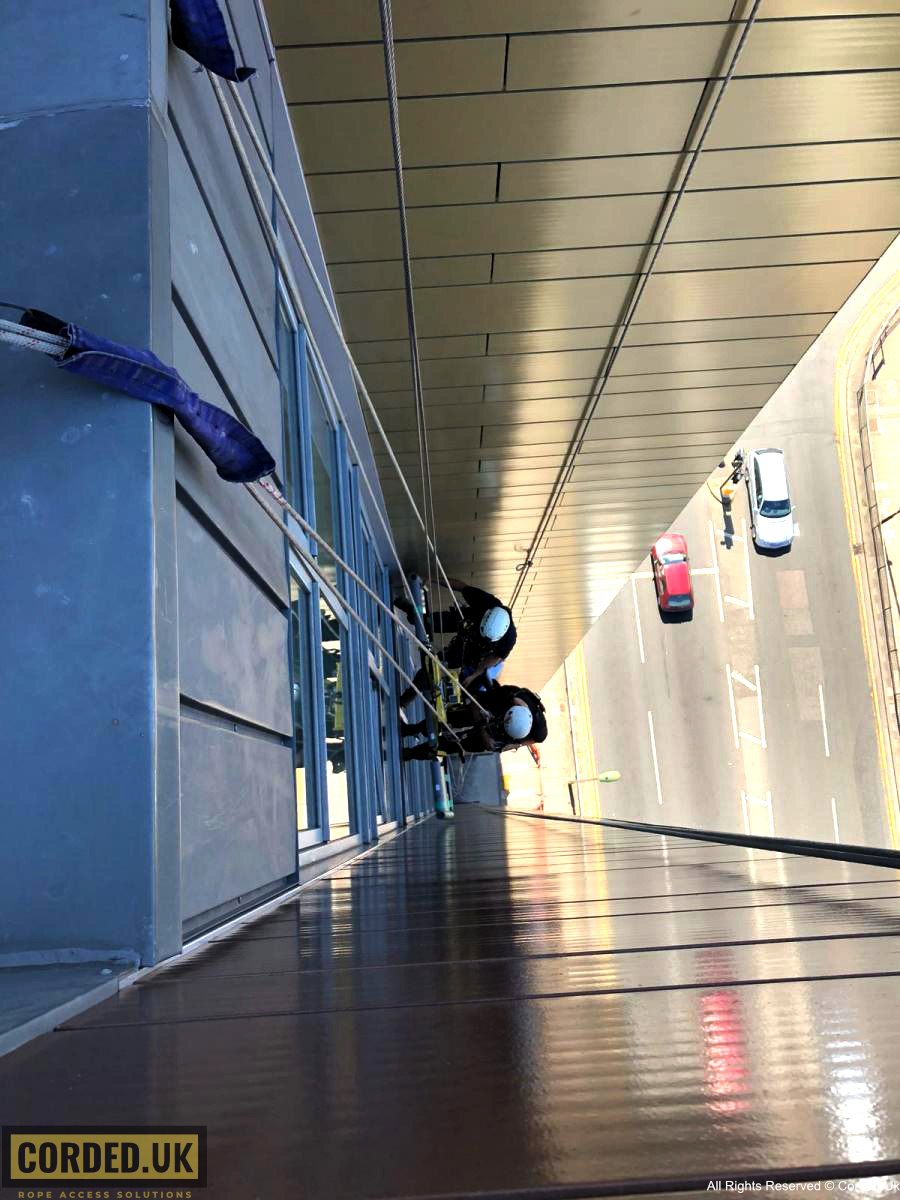
Replacing glazing might seem like a daunting task, but it’s an essential home improvement that can significantly enhance your comfort and energy efficiency. Over time, windows can lose their insulating properties, leading to higher energy bills and a less cosy home environment. Understanding the process of glazing replacement not only helps you make informed decisions but also ensures you get the best value for your investment. We’ll guide you through the key aspects of this process, from recognising when it’s time to replace your windows to choosing the right materials and professionals for the job. Whether you’re dealing with draughty old panes or simply seeking an upgrade, this guide will equip you with the knowledge you need to proceed with confidence.
Understanding Glazing Basics
Understanding the fundamentals of glazing is essential before diving into replacement glass options. This section will clarify what glazing means, the various materials available, and common issues you might encounter.
What is Glazing?
Glazing refers to the panes of glass that make up a window. Historically, the term originated from the glass-making process. Modern glazing includes insulated glass units that improve energy efficiency. The primary function of glazing is to protect interiors from external elements while allowing natural light to enter the space.
Different types of glazing have varying levels of insulation and soundproofing. In today’s eco-conscious climate, glazing plays a significant role in energy conservation. Selecting the right glazing can impact your home’s comfort and energy costs. It’s crucial to understand what type of glazing your home needs.
Visit [] to learn more about the technical aspects of double glazing replacement and how it can affect your home environment.
Types of Glazing Materials
Various materials are utilised in glazing, each with distinct benefits. Glass is the most common material, renowned for its clarity and durability. However, other options include acrylic and polycarbonate, known for being lightweight and impact-resistant.
- Acrylic: It’s less expensive than glass and offers adequate insulation. However, it may scratch over time.
- Polycarbonate: This is more durable and flexible than acrylic, making it a good choice for areas prone to impact.
Choosing the right material depends on factors such as climate, location, and budget. Consider your needs carefully when selecting glazing materials. More details can be found at [].
Common Glazing Issues
Glazing can develop a range of issues over time. Condensation is a frequent problem, indicating poor insulation. Cracks and scratches are also common, often caused by accidents or weather conditions.
- Condensation: This occurs when moisture builds up between panes, reducing insulation effectiveness.
- Cracks: These can compromise the structural integrity of the window.
- Scratches: While primarily aesthetic, they can lead to further damage if ignored.
Recognising these issues early can prevent further damage and costly replacements. For more insights, visit [].
Signs You Need Replacement
Identifying when glazing needs replacement is crucial to maintaining comfort and efficiency in your home. This section outlines the tell-tale signs that it’s time to consider new glazing.
Visible Damage and Wear
Visible damage is the most apparent indicator that glazing needs replacing. Cracks, chips, or scratches on the glass surface not only affect the quality and aesthetics but also compromise safety and insulation.
- Cracked glass can lead to increased energy loss.
- Chips and scratches may turn into larger cracks over time.
Regular inspections can help spot these issues early, preventing more severe problems. For comprehensive advice on identifying damage, check [].
Energy Efficiency Concerns
If your energy bills are rising without explanation, your glazing might be to blame. Poor insulation from ageing glazing results in heat loss, making your heating systems work harder.
- High energy bills: Inefficient windows are a common culprit.
- Drafts: Feel for any air leaks around the frames.
Addressing these concerns promptly can lead to significant savings. Consult [] for further details on energy-efficient glazing options.
Increased Noise Levels
An increase in outdoor noise is often a sign that your glazing is no longer effective. High levels of sound intrusion can disrupt your home environment, affecting comfort and privacy.
- Noise pollution: Ineffective glazing can let in more external sounds.
- Soundproofing: Modern glazing options can significantly reduce noise.
Consider upgrading to double or triple glazing if noise is an issue. More information on double glazed windows is available at [].
Choosing the Right Glazing
Selecting the appropriate glazing involves understanding different options. This section guides you through the process of choosing between double glazed glass replacement, and triple glazing, selecting materials, and considering the costs involved.
Double vs Triple Glazing
Double glazed glass units, and triple glazing significantly impacts energy efficiency and comfort. Below is a comparison to help you decide:
| Feature | Double Glazing | Triple Glazing |
|---|---|---|
| Insulation | Good for moderate climates | Better for extreme temperatures |
| Cost | Generally more affordable | Higher initial investment but more savings over time |
| Soundproofing | Adequate for most urban areas | Superior noise reduction |
Consider your specific needs when choosing between double glazed and triple glazing. Visit [] for more detailed guidance.
Selecting the Best Material
Choosing the right material is key to achieving desired insulation and aesthetics. uPVC, aluminium, and timber are popular choices.
- uPVC: Low cost and maintenance, good insulation.
- Aluminium: Sleek, modern look, higher cost.
- Timber: Traditional appearance, requires regular maintenance.
Each material has its pros and cons. Understand these before making a decision. More insights can be found at [].
Cost Considerations
Cost is a significant factor in choosing glazing. Initial investment varies based on the type of glazing and material selected.
- Budget: Consider the long-term savings on energy bills.
- Value for money: Sometimes, spending more initially can save more over time.
Assess your budget alongside the benefits of different glazing options. For cost estimates and considerations, refer to [].
Installation Process Explained
Understanding the installation process can help ensure a successful glazing replacement. Here, we explore professional versus DIY installation, preparation steps, and the process timeline.
Professional vs DIY
Deciding between professional installation and DIY is crucial.
- Professional Installation: Offers expertise and assurance but can be more costly.
- DIY: More budget-friendly but requires skill and time investment.
Professional help is recommended for complex installations. Explore more at [].
Preparing Your Home
Proper preparation can facilitate a smoother installation process.
- Clear the area: Remove furniture and decorations near windows.
- Inspect the site: Ensure the window frames are in good condition.
Adequate preparation helps avoid delays and complications. For detailed preparation tips, see [].
Installation Steps and Timeline
Understanding the steps involved in installation can set expectations.
- Old glazing removal: Carefully remove existing glass.
- Frame inspection and repair: Fix any issues before new glazing.
- New glazing installation: Fit and seal the new panes.
Expect the process to take a few days, depending on the complexity. For a complete timeline, refer to [].
Maintenance and Longevity
Proper maintenance ensures your glazing lasts longer and performs efficiently. This section covers cleaning tips, preventative measures, and when to seek professional help.
Regular Cleaning Tips
Regular cleaning keeps glazing looking new and doors functioning well.
- Use mild detergent: Avoid harsh chemicals that can damage seals.
- Soft cloths: Prevent scratches by using non-abrasive materials.
Routine maintenance can help extend the lifespan of your glazing. For cleaning tips, visit [].
Preventative Measures
Taking preventative steps can reduce the need for future repairs.
- Check for leaks: Regularly inspect seals and frames for air or water leaks.
- Apply protective treatments: Consider UV protective coatings.
Preventative measures ensure longevity and efficiency. More information is available at [].
When to Seek Professional Help
Knowing when to call in professionals can save time and money.
- Persistent issues: If problems persist despite regular maintenance.
- Major damage: Cracks or condensation that cannot be addressed through DIY methods.
Professional assessment ensures the best outcome. For professional services, consult [].