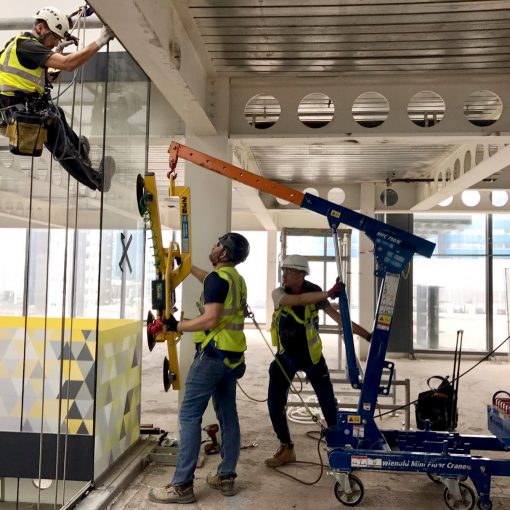
In the ever-evolving world of urban architecture, high-rise buildings are becoming an iconic feature of city skylines, demanding innovative solutions for maintenance and upkeep. Rope access glazing emerges as a modern, efficient method that addresses the challenges of maintaining glass façades at dizzying heights. This technique, initially developed for the offshore industry, has been adapted for urban environments, offering a safer and more cost-effective alternative to traditional scaffolding. With its minimal disruption to building operations and impressive adaptability, rope access glazing not only enhances the aesthetic appeal of skyscrapers but also ensures their functionality and safety. Join us as we delve into the myriad benefits of this cutting-edge approach, transforming the way we think about building maintenance.
Introduction to Rope Access Glazing
Rope access glazing is revolutionising the way high-rise buildings are maintained. This section explores what rope access glazing entails, how it has evolved, and why it’s becoming a preferred option for many.
What is Rope Access Glazing?
Rope access glazing involves the use of ropes and specialised equipment to allow skilled technicians to reach and work on glass façades of tall buildings. Unlike traditional methods, which rely on scaffolding or cranes, rope access offers a more flexible and efficient solution. Technicians are trained in both safety and the technical aspects of glazing, ensuring that all work is done to a high standard.
With its roots in the offshore industry, this method has been adapted for urban settings. It allows for easy access to difficult areas, enabling maintenance and repair work that would otherwise be challenging or impossible. This method is not only practical but also reduces the visual impact of maintenance work on the building’s overall aesthetics.
In essence, rope access glazing provides a viable alternative for high-rise maintenance. It combines safety, efficiency, and minimal disruption, making it an ideal choice for modern urban architecture.
Evolution in High-Rise Maintenance
The evolution of high-rise maintenance has been significant over the past few decades. Initially, scaffolding was the go-to method for accessing building exteriors. However, as buildings soared in height, the limitations of scaffolding became apparent.
Rope access emerged as a more viable solution, initially used in remote and challenging environments like oil rigs. Its adaptability to urban settings has paved the way for its widespread adoption in building maintenance. This method has been continually refined, incorporating advanced safety protocols and techniques to enhance its effectiveness.
Today, rope access is seen as a cutting-edge approach, blending traditional craftsmanship with modern technology. It represents a shift towards more sustainable and cost-effective maintenance strategies. As cities continue to expand vertically, rope access glazing is poised to become even more integral to high-rise building maintenance.
Why Choose Rope Access?
Rope access offers numerous advantages that make it a compelling choice for high-rise building maintenance. Firstly, it is highly cost-effective. Unlike scaffolding, which requires significant setup time and resources, rope access requires minimal equipment, translating to lower overall costs.
Secondly, rope access is less intrusive. It allows technicians to perform maintenance without disrupting the building’s operations or its occupants. This is particularly important in busy urban environments where downtime can lead to significant losses.
Finally, rope access is versatile. Its adaptability means it can be used on buildings of all shapes and sizes, in various weather conditions. This flexibility ensures that maintenance is carried out promptly, reducing the risk of long-term damage.
These benefits make rope access an attractive option for building managers and owners seeking efficient and effective maintenance solutions.
Cost-Effectiveness of Rope Access
The cost-effectiveness of rope access is one of its most appealing features. This section delves into how reduced labour and equipment expenses make this method financially viable.
Reduced Labour Costs
Rope access significantly reduces labour costs associated with high-rise maintenance. Unlike scaffolding, which requires a large team for setup and operation, rope access requires fewer personnel. This streamlined workforce leads to lower wages and associated expenses.
1. Efficient Team Dynamics: A small team of highly trained technicians can perform tasks quickly and efficiently, reducing the number of hours billed.
2. Specialised Skills: Technicians are skilled in both rope access and glazing, eliminating the need for separate teams, which further cuts costs.
3. Faster Turnaround: The speed and efficiency of rope access mean that projects are completed faster, saving both time and money.
The reduction in labour costs makes rope access a financially prudent choice for building maintenance.
Minimal Equipment Expenses
One of the key benefits of rope access is the minimal equipment required for operations. Traditional scaffolding involves extensive materials and logistics, which can significantly inflate costs.
Minimal Setup: Rope access requires only ropes, harnesses, and a few specialised tools, drastically cutting down on equipment expenses.
Ease of Transport: The equipment is lightweight and easy to transport, reducing logistical challenges and associated costs.
Reduced Wear and Tear: With fewer moving parts, maintenance and replacement costs for rope access equipment are considerably lower than those for scaffolding.
This streamlined approach not only saves money but also time, as technicians can set up and dismantle equipment quickly and efficiently.
Safety and Efficiency Benefits
Rope access is renowned for its safety and efficiency. This section covers the enhanced safety protocols and the swift project completion times that make it a preferred choice.
Enhanced Safety Protocols
Safety is a paramount concern in high-rise maintenance, and rope access excels in this area. Rope access technicians undergo rigorous training to ensure they are well-versed in safety protocols.
Comprehensive Training: Technicians receive extensive training, covering both the technical and safety aspects of rope access, ensuring they are prepared for any situation.
Regular Inspections: All equipment is subject to regular inspections and maintenance, ensuring that it meets the highest safety standards.
Strict Safety Standards: Rope access operations adhere to strict safety regulations, minimising the risk of accidents and injuries.
These protocols ensure that rope access is not only effective but also one of the safest methods for high-rise maintenance.
Swift Project Completion
Rope access allows for swift project completion, minimising disruption and ensuring that buildings remain functional. This efficiency is a key advantage over traditional methods.
Quick Setup: The minimal equipment required means that setup time is significantly reduced, allowing work to begin almost immediately.
Flexible Operations: Technicians can easily manoeuvre around the building, completing tasks in a fraction of the time it would take with scaffolding.
Minimal Downtime: The speed and efficiency of rope access mean that building operations can continue with minimal interruption, reducing potential revenue loss.
This swift completion is a crucial factor for businesses aiming to maintain operations while ensuring their premises are well-maintained.
Environmental Impact and Sustainability
Rope access glazing offers significant environmental benefits. This section explores how it contributes to a lower carbon footprint and sustainable material usage.
Lower Carbon Footprint
Rope access has a lower carbon footprint compared to traditional maintenance methods. The reduction in equipment and manpower translates to fewer emissions.
Less Material Waste: The lack of scaffolding eliminates the waste associated with erecting and dismantling large structures.
Reduced Transportation Emissions: With minimal equipment and personnel, the transportation needs are significantly lower, reducing emissions from vehicles.
Energy Efficiency: The speed of rope access operations means that energy consumption is reduced, further lowering the environmental impact.
These factors contribute to a more sustainable approach to building maintenance, aligning with global efforts to reduce carbon emissions.
Sustainable Material Usage
Sustainable material usage is another benefit of rope access. By reducing reliance on scaffolding, rope access minimises the demand for materials like metal and wood.
Resource Conservation: The minimal equipment required means fewer materials are consumed, conserving natural resources.
Recyclable Equipment: Much of the equipment used in rope access is recyclable or reusable, reducing waste and environmental impact.
Eco-Friendly Practices: Rope access companies are increasingly adopting eco-friendly practices, further enhancing the sustainability of this method.
This focus on sustainability makes rope access an attractive option for environmentally conscious building owners.
Future of Rope Access in Construction
The future of rope access in construction is bright, with innovations and growing demand driving its adoption. This section discusses the technological advances and the increasing interest in rope access solutions.
Innovations in Rope Access Technology
Technological advancements are continually improving the rope access industry, enhancing safety and efficiency. These innovations are key to the method’s ongoing success.
Advanced Equipment: New developments in rope and harness technology increase safety and comfort for technicians working at height.
Integrated Systems: Innovations such as drone technology and digital monitoring systems are being integrated with rope access to improve precision and safety.
Smart Solutions: The use of smart devices and applications assists in planning and executing projects more efficiently, reducing the risk of human error.
These technological strides ensure that rope access remains a cutting-edge solution for high-rise maintenance.
Growing Demand for Rope Access Solutions
The demand for rope access solutions is growing as more industries recognise its benefits. This trend is set to continue, driven by factors such as urbanisation and sustainability.
Increased Urbanisation: As cities expand upwards, the need for efficient maintenance solutions like rope access becomes more pressing.
Sustainability Goals: With a global push towards sustainability, rope access offers a greener alternative to traditional methods, appealing to environmentally conscious companies.
Cost Savings: The financial benefits of rope access make it an attractive option for businesses looking to reduce maintenance costs without compromising quality.
As these factors converge, the prominence of rope access in the construction industry is likely to grow, solidifying its role as a modern solution for high-rise maintenance.